On average, 10% to 15% of total food produced worldwide goes to waste due to improper distribution and transportation. Shipping perishables requires more than the usual transport and distribution processes. Poor infrastructure, improper handling, and inadequate cold chain management are factors that contribute greatly to goods wastage.
In the Philippines, perishable goods shipping is more challenging given the country’s usually hot climate and geography. Although it is challenging, it is not impossible. You just have to know and adhere to the best practices on how to ship perishables, no matter what the distance or outside temperature may be. Below, you will learn cost-efficient tips on shipping perishables.
7 Tips on How to Ship Perishables in the Philippines
1. Use Proper Insulation
Your choice of insulation to keep your perishable goods is critical to maintaining its quality.
- Styrofoam Boxes – These are commonly used for the transport of frozen foods such as fish, meat, and processed meats.
- Double-Wall Boxes – Cartons are ideal as an added line of protection for Styrofoam boxes.
- Insulated Liners – Foil liners are used for insulation to wrap perishables prior to enclosing them in a box.
2. Add Cooling Agents
Aside from insulation, coolant agents provide the additional cooling that perishable products need. You can use gel packs or dry ice to maintain their ideal temperatures.
3. Seal the Perishables
Keep the perishable goods sealed and leak-proof to prevent unnecessary loss of cold temperature during transport. Vacuum sealers and leakproof bags can prevent product contamination and damage.
4. Label the Container
Add markings on the box to emphasize the specialized requirement of the product. “Perishable Goods” and “Keep Frozen” are the common labels used for perishables.
5. Time Your Shipment
Due to the perishable nature of the products, it is best to choose non-peak shipping dates. This will ensure that your goods will be given due priority and will be transported immediately.
6. Rent a Refrigerated Truck
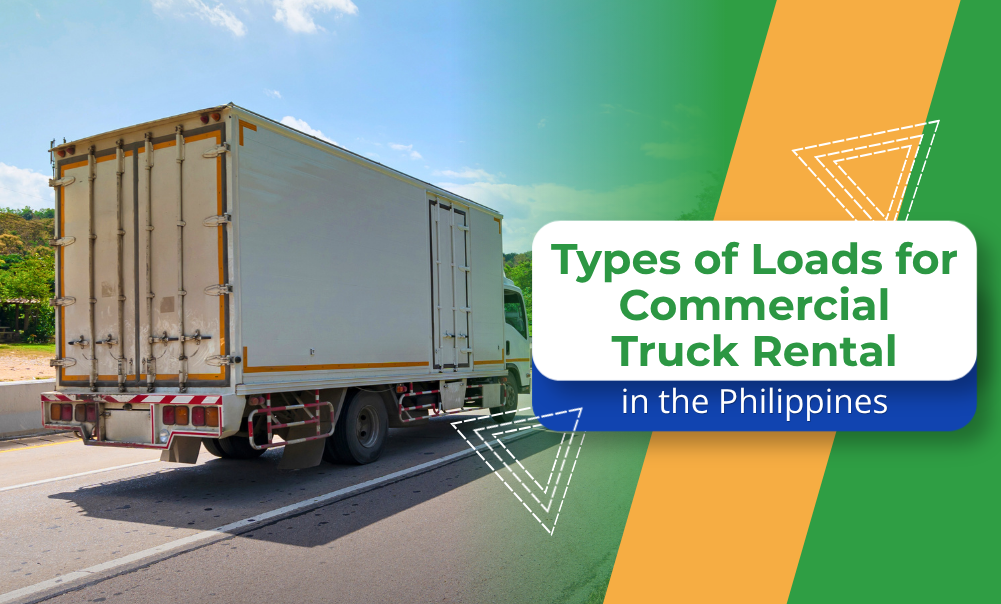
This is a fool-proof technique on how to ship perishables in the Philippines. Refrigerated trucking services eliminate the complexities of perishable goods shipping. Basically, this will get the work done for you without lifting a finger. A trucking company can provide a refrigerated truck for rent to transport goods while in their ideal storage. This will allow long-distance transport and at the same time keeping them free from contamination and damages.
What is a refrigerated truck?
This type of vehicle is designed to transport goods under controlled temperatures. Refrigerated trucks are equipped with a refrigeration system that maintains stable cabin temperature to preserve product quality even when external conditions change.
7. Partner with a Reliable Logistics Company
You need a dependable partner to ensure that the logistics support you need for perishable goods shipping will be provided. A dependable logistics company in the Philippines will accomplish things on your behalf so you can focus on the other important aspects of your business operations.
4 Main Types of Perishable Goods
Generally, there are four different types of perishable goods that require specialized shipping. These include the following:
- Frozen Food – These are the goods that require storage temperature not exceeding 18°C to preserve taste, texture, and safety. Examples are meat, seafood, and ice cream.
- Pharmaceuticals – Medicines and vaccines) also have specific storage requirements. Temperatures must be between 2°C and 8 °C. Other types of medicine may even require up to -70°C in order to preserve their efficiency..
- Fresh Produce – Agricultural products like fruits and vegetables, as well as flowers, should be kept in storage at 10°C to 15°C temperature to keep them fresh.
- Dairy products (milk, cheese, yogurt) must be stored between 0°C and 5°C to prevent bacterial growth.
ALSO READ: 8 Types of Logistics Trucks That Meet Your Transportation Needs
Shipping perishables in the Philippines requires strict temperature control. Best practices on how to ship perishables must be implemented to prevent unnecessary and costly damage to products. While it is a logistics challenge, you can rely on a logistics company that can handle specialized shipping requirements.
360 Logistics is a trucking company based in Laguna with a specialized fleet to meet industry-based requirements. Overcome the most common logistics challenges in the Philippines by getting the support of a team that can handle your business needs.