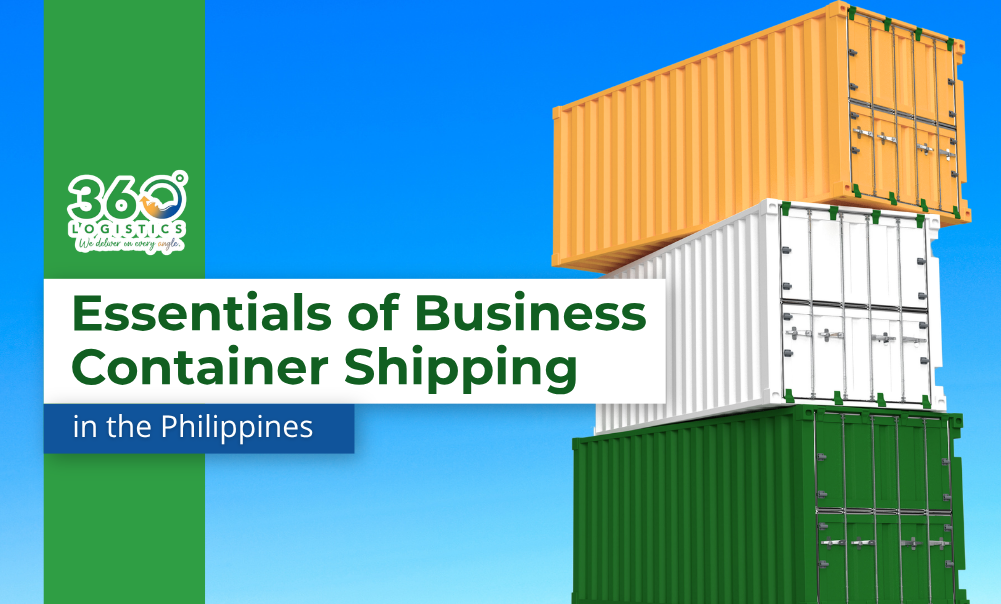
Every business owner knows how critical logistics is for operations. When it comes to cost and efficiency, container shipping in the Philippines is one of the best options for transportation. Many container shipping companies offer flexible services, broad storage capacities, and competitive rates. They also ply key trade routes in the country. With the right solution, one can connect with new, emerging markets in Luzon, Visayas, and Mindanao.
The complex transport process is a common hurdle for most businesses, but everything can be simplified when you know where to start. Here is a helpful guide to the fundamentals, routes, and tips for efficient container shipping in the Philippines.
A Business Owner’s Guide to Container Shipping in the Philippines
Two Main Container Shipping Services
Container shipping companies typically offer two primary shipping methods.
-
Full Container Load (FCL)
FCL shipping allows a shipper to own or occupy the entire container. This means you shoulder the complete cost of a shipping container, as well as utilize the full space and capacity. FCL is a flexible option for businesses dealing with large shipment volumes, high-value goods, urgent items, and products that require specialized packing and handling methods.
Although it can be more expensive than LCL, FCL container shipping in the Philippines offers faster transit times, direct port-to-port routes, and reduced risks of damage.
-
Less than Container Load (LCL)
On the other hand, LCL shipment uses a single container for transporting smaller quantities of goods from different shippers to a common destination. Container shipping rates are reduced significantly because items are consolidated and the transport cost is split between you and other senders. Because of this, LCL container shipping in the Philippines is often the preferred option for small or medium-sized enterprises.
It may not be the best solution, however, for operations involving high-value or high-priority products. The process of consolidation and deconsolidation can affect shipment lead times and arrivals. It also poses the risk of mishandling.
360 Logistics exclusively offers full container load (FCL) shipments. It is a safe, flexible, and versatile option for enterprises that wish to transport their items in a timely manner. Backed by expertise and knowledge in the supply chain, 360 Logistics can handle your goods with utmost care from start to finish.
Types of Shipping Containers
Not all kinds of products can be loaded into a single container. It is important to choose one that can comfortably fit all your items, has ample space, and can maintain the integrity of each product. Below are examples of the types recognized by container shipping companies:
Standard Sizes
- 10 Feet (10 ft x 8 ft x 8.6 ft)
- 20 Feet (20 ft x 8 ft x 8.6 ft)
- 40 Feet (40 ft x 8 ft x 8.6 ft)
- 40 Feet High-Cube (40 ft x 8 ft x 9.6 ft)
- 45 Feet High-Cube (45 ft x 8 ft x 9.6 ft)
Configurations
- Dry Containers – The most common, standard shipping containers that can accommodate a broad variety of products. Can carry non-perishable items, palletized cargo, boxes, crates, and automobiles.
- Reefer – Built with electrical cooling or heating units to maintain the ideal environment for critical goods. Transports temperature-sensitive products like agricultural, electronics, food, dairy, cosmetics, and pharmaceuticals.
- Side Door – Opens from the side to allow faster loading and multiple access points. The full side opening can accommodate industrial machinery, items with odd shapes or sizes, or construction materials.
- Flat Rack – Loads Out-of-Gauge cargo, which cannot fit into a standard container. Can have collapsible, fixed, or completely open panels.
- Open Top – Built with a removable roof to accommodate tall shipments. It can effectively store and transport overheight machines, construction equipment, steel, and more.
Popular Container Shipping Routes
Due to the country’s archipelagic nature, container shipping in the Philippines is done inter-island using various modes of transportation. Land transport such as trucking can get your items from warehouse to port, while maritime shipping moves cargo from port to port. Air cargo is also a common option, albeit costlier.
Whether you’re a growing or established business, container shipping companies can help you connect with markets in the Visayas region. Major economic hubs like Cebu, Iloilo, Bacolod, and Ormoc act as gateways to provincial communities. Not to mention, Western, Central, and Eastern Visayas produce diverse trade goods, ranging from industrial machinery, raw and processed agricultural and marine products, and artisanal items.
Mindanao is home to economic powerhouses like Davao City, General Santos, Cagayan de Oro, and the Zamboanga Peninsula. The region is recognized for its abundance of agricultural produce, marine products, and ethnic textiles and handicrafts. This is also what makes it such a popular route for container shipping in the Philippines.
Where to Find Container Shipping Companies in the Philippines?
Business owners can connect with major and secondary freight forwarders anywhere in the country. Luzon-based enterprises, however, will need container shipping companies with a nationwide network, responsive customer support, and competitive pricing.
A trusted logistics company in Laguna like 360 Logistics does not just handle your cargo with expertise. They are also located in proximity to key manufacturers, warehouses, and supply chain players in the Southern Tagalog region. For growing businesses, it is important to have a logistics partner that can seamlessly access, bridge, and facilitate operations between Luzon, Visayas, and Mindanao. They also offer trucking services for seamless land transport and sea cargo shipping (via RoRo trucking or port drop-offs).
Contact 360 Logistics at +63 945-293-5266 or +63 917-189-1913 to get tailored container shipping solutions today.
Requirements for Container Shipping
Like every other logistics transport activity, container shipping in the Philippines entails certain documentary requirements. Because these are very critical to the entire shipment process, it is important that you prepare and complete the following in advance to avoid errors and delays.
- Bill of Lading (BL)
- Commercial Invoice
- Packing List
- Customs Declaration
- Certificate of Origin
- Cargo Insurance Certificate
- License or Permit to Transport (for agricultural items, livestock, aquatic life, certain regulated or restricted items)
Despite its complexities, container shipping in the Philippines remains one of the most valuable transport methods for businesses. If your items are of delicate nature, need specialized handling, or have strict shipping requirements, the right logistics provider can assist you in finding the best way to transport your goods safely and on time.
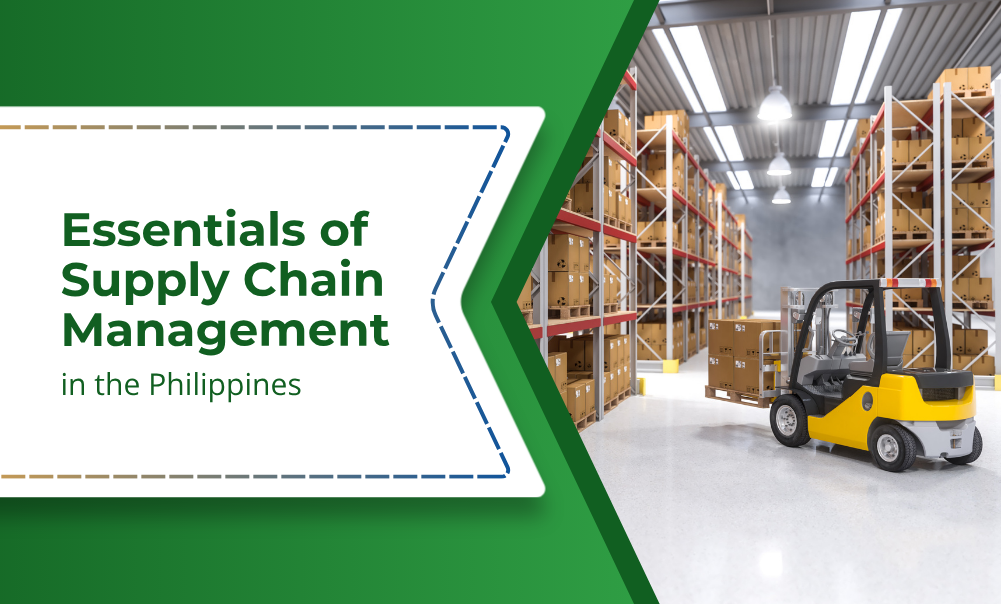
ALSO READ: Essentials of Supply Chain Management in the Philippines
Book Container Shipping Services at 360 Logistics
360 Logistics is a trusted provider of essential supply chain solutions in Laguna. Our knowledgeable team is fully capable of handling your cargo with ease and care. Backed by expertise and hands-on experience, 360 Logistics guarantees safe, timely, and on-call transport wherever you are. We offer competitive container shipping rates for business owners across major domestic industries.
To get a quote or discuss customized solutions, you may contact us directly at +63 945-293-5266 or +63 917-189-1913.