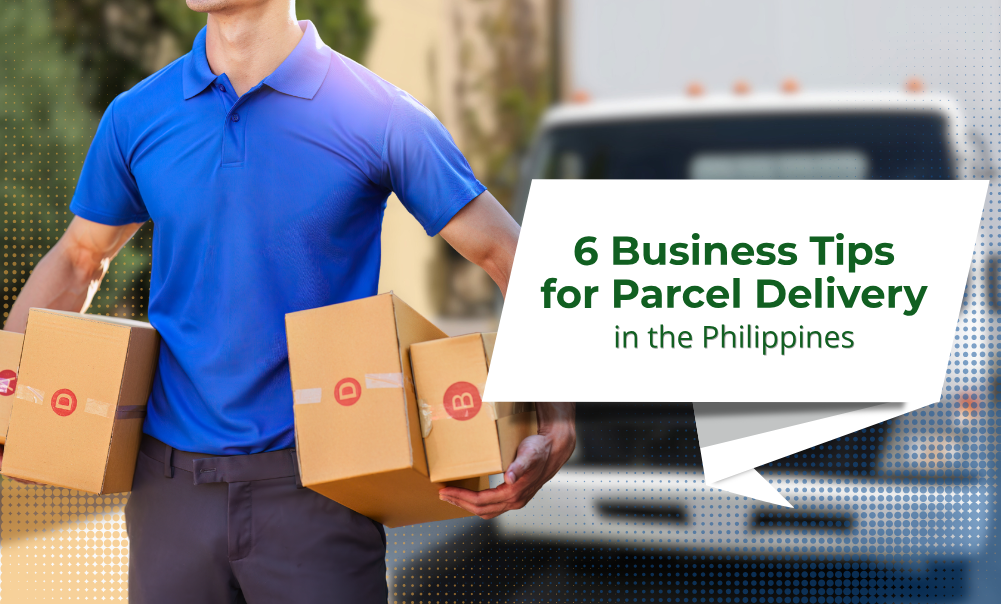
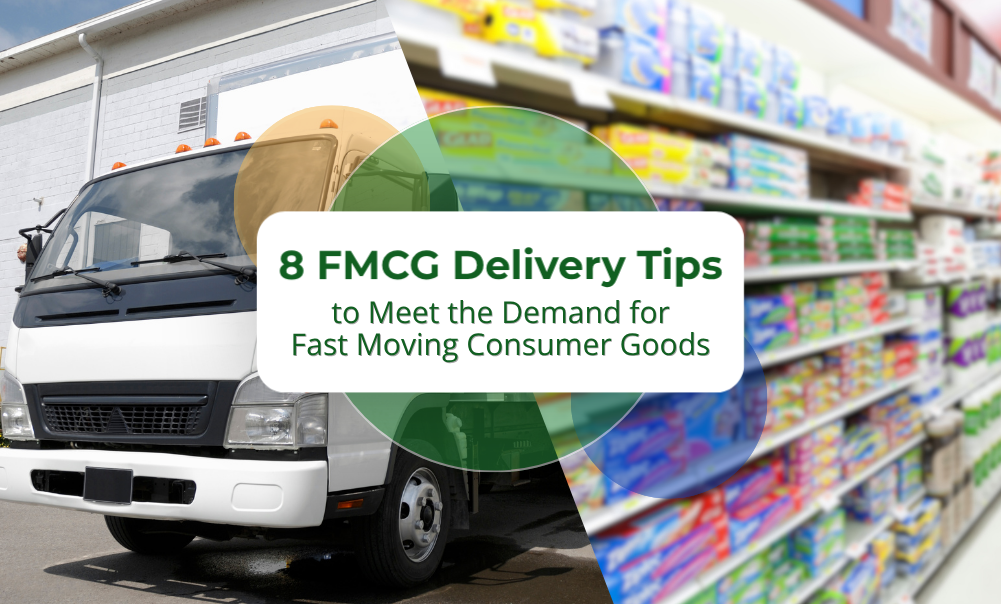
E-commerce businesses and consumers are the main drivers of parcel delivery in the Philippines. The digital economy, of which e-commerce is one of the major components, contributed 9.8% or Php 2.74 trillion gross value added (GVA) to the country’s GDP in 2025. Thanks to the booming activity in online retail spaces, parcel delivery services have expanded to accommodate unique business needs, solve challenging logistics issues, and incorporate advanced digital solutions.
To meet the growing demands of e-commerce buyers, business owners must maintain a consistent, customer-centered parcel delivery system. Here is how to ship a parcel the smart way and keep up with your competitors.
6 Smart Tips for Parcel Shipping in the Philippines
1. Analyze your business shipping needs.
Before any shipping activity, you must understand your freight and what you need to secure it. Are your items shipped individually or in a bundle? Do your products require specialized packaging? Are they temperature-sensitive? Parcel shipping services can provide customized solutions to meet unique freight requirements. This also helps you determine the budget you need to set for shipping costs.
2. Partner with the right logistics provider.
Once you’ve identified your parcel shipping needs, it’s time to look for a delivery partner. It is critical to find a reputable logistics company that can align with your business goals, so you can access scalable solutions and negotiate better rates. Logistics firms with an extensive nationwide network also enable you to access wider markets without needing to deviate from a single courier.
3. Standardize packaging for parcel shipping.
Packaging can be a factor for supply chain disruption. Improperly packed goods are exposed to risks of damage, loss, tampering, and theft. Labeling issues can also cause confusion and incorrect documentation. A unified packaging system lets you group similar products, utilize corresponding box or container sizes, and minimize chances of risk throughout the parcel delivery process.
Consider using the following strategies for your packaging:
- Corrugated boxes
- Dunnage and void fill
- Plastic or recyclable bubble wraps
- Sizing system for boxes and containers
- Strapping tools
- Wooden pallets and crates
It also simplifies the verification and handover processes across multiple points in the supply chain, so you can experience fewer disruptions and ensure a speedier delivery.
4. Ensure accurate measurement.
Most couriers in the Philippines set parameters for parcel shipping. Item dimensions, for instance, can determine what type of packaging your product needs, or how much your total cost of shipping will be. When you give a rough estimate or an inaccurate measurement, you might be paying more than you actually need.
5. Combine deliveries to the same destination.
Freight consolidation is one of the common strategies applied during parcel delivery in the Philippines. Following the right size and weight configurations, you can combine shipments to the same destination into a single trip, effectively reducing downtime, fuel costs and consumption, and labor.
Logistics companies typically offer cargo consolidation services. If you are renting a truck, you can avail of less-than-truckload or LTL shipping and share the cargo space with other shippers. The same goes for container trucking, where shipping containers can house deliveries going to a single destination and carry them over land and sea.
6. Rent a truck.
Last-mile shipping like parcel delivery in the Philippines is critical for hub to door transport. It is the stage where the business connects with the consumer directly. Trucking is typically used to fulfill this final leg of the supply chain. If you do not own a truck unit, there’s no need to worry. Truck rental services are a cost-efficient resource on how to ship a parcel. Look for logistics partners that offer diverse, flexible, and economical choices for parcel delivery trucks, such as:
- Light and Medium-Duty Trucks – Great for short to long haul urban and provincial deliveries. Can typically hold 4T to 12T gross vehicle weight (GVW).
- Wing Vans – Built with side door openings that allow multiple loading and unloading points, compared to standard box type trucks.
- Refrigerated Trucks – Fitted with insulation and cooling units to protect perishable cargo. Can deliver on both long and short haul routes.
- Open Trucks (Flatbed, Open-top, Side-Kit) – Accommodate tall, wide, or generally bulky types of cargo. Allows multiple loading and unloading points and configurations.
- Heavy-Duty Trucks – Excellent for long-haul and large volume deliveries. Can accommodate up to approximately 28T GWV and up.
Parcel delivery in the Philippines presents a unique set of challenges for every business owner. With the right approach and transportation partner, you can unlock faster delivery, better customer relationships, and a more profitable logistics process.
ALSO READ: A Businessman’s Guide on the Ecommerce Fulfillment Process
Need trucks for your parcel delivery tasks? 360 Logistics is a trucking company in Laguna, Philippines that offers light, medium, and heavy-duty trucks built for short or long-haul transport. Our all-rounder fleet consists of standard closed vans, wing vans, open-type configurations, and refrigerated units. Choose from 6-wheeler FWD trucks for your greater Metro Manila shipping or larger 10- to 12-wheeler wing vans for regional deliveries. Get an instant quote when you send us a message today.